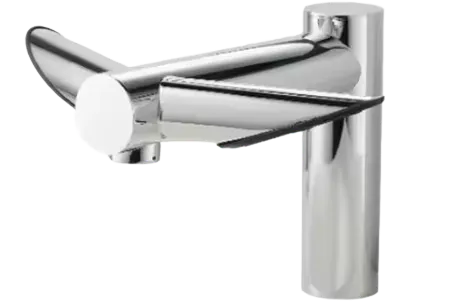
Washroom automation refers to the use of technology to automate various functions and processes within a restroom or bathroom facility. The aim of washroom automation is to enhance hygiene, convenience, and energy efficiency while reducing the need for manual intervention and maintenance. Here are some common examples of washroom automation:
- Automatic Faucets: Automatic faucets use motion sensors to detect when someone places their hands under the tap. They then dispense water for a set period and shut off automatically, reducing water wastage and promoting hygiene by eliminating the need to touch the faucet.
- Automatic Soap Dispensers: These devices release a predetermined amount of soap when they detect a user's hands beneath them. This touchless operation helps prevent the spread of germs and conserves soap.
- Touchless Hand Dryers: Automatic hand dryers activate when a user places their hands near the sensor. They blow warm air to dry hands without the need for paper towels, reducing waste and mess.
- Automatic Toilet Flushers: These devices detect when a user has finished using the toilet and automatically flush to maintain cleanliness and reduce contact with germs.
- Automated Toilet Seat Covers: In some public restrooms, automated toilet seat cover dispensers provide a fresh, disposable seat cover for each user, improving hygiene.
- Automatic Paper Towel Dispensers: These devices dispense a specific amount of paper towels when hands are placed near the sensor, reducing paper wastage and improving hygiene.
- Odor Control Systems: Automated air fresheners or odor control systems release pleasant scents at regular intervals to maintain a fresh-smelling restroom environment.
- Automatic Lighting: Motion sensors can be used to control the lighting in a restroom, ensuring that lights are on only when the restroom is in use, thus saving energy.
- Queue Management Systems: In public restrooms with multiple stalls, automated systems can indicate which stalls are occupied and which are available, reducing wait times.
- Cleaning and Maintenance Alerts: Automated sensors and monitoring systems can alert maintenance staff when supplies need to be replenished or when the restroom requires cleaning, ensuring a well-maintained facility.
Washroom automation not only improves hygiene and user experience but can also contribute to resource conservation and cost savings, especially in commercial and public restroom facilities. It is increasingly being adopted in various settings, including airports, shopping malls, office buildings, and healthcare facilities, to enhance restroom functionality and cleanliness.